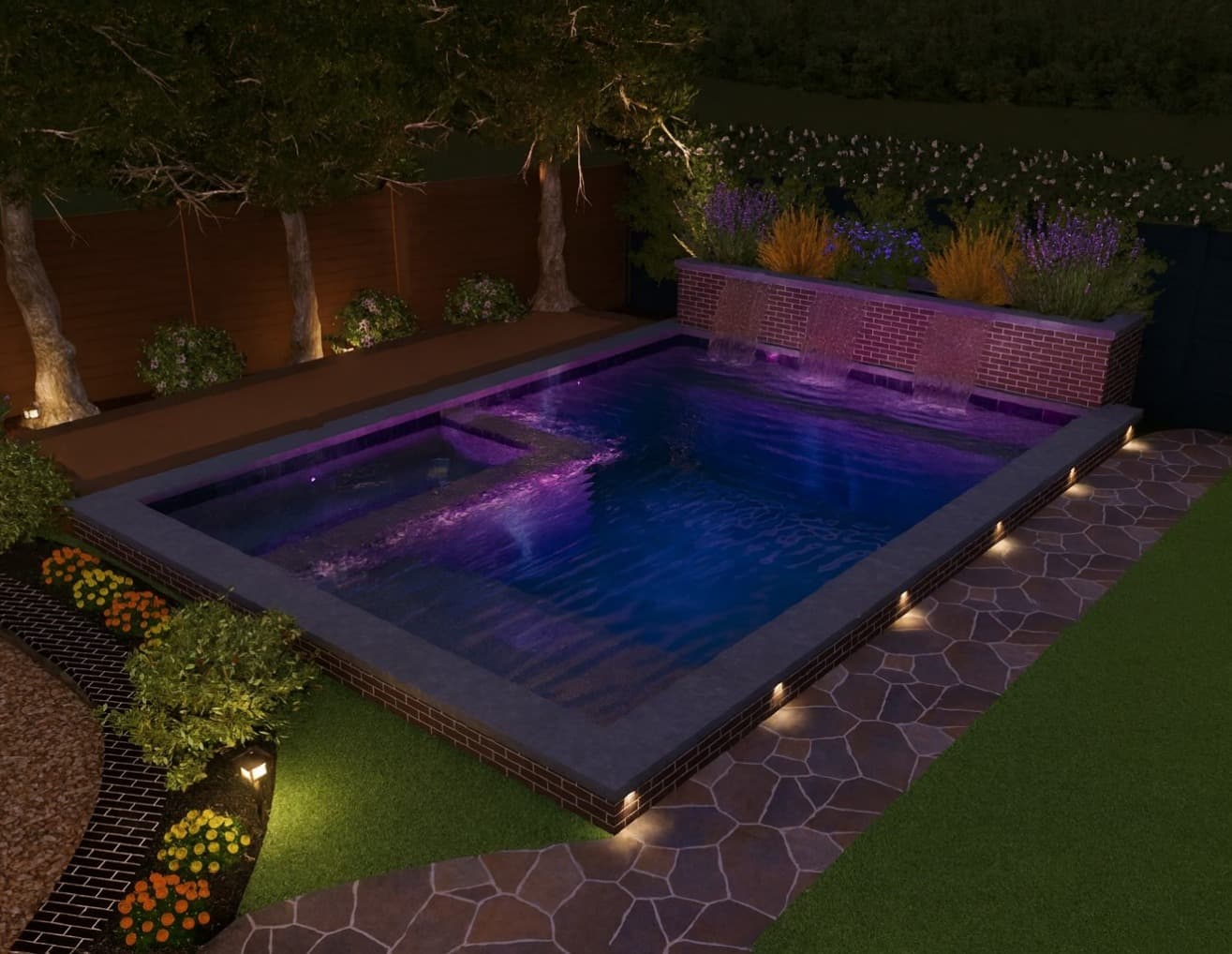
Before you build a custom pool, you have questions — a lot of them. After years of designing and building pools across Metro Atlanta, we've heard nearly all of them. So we pulled together the questions homeowners ask us most often and answered each one straight, no fluff. Consider this your quick-reference guide before breaking ground.
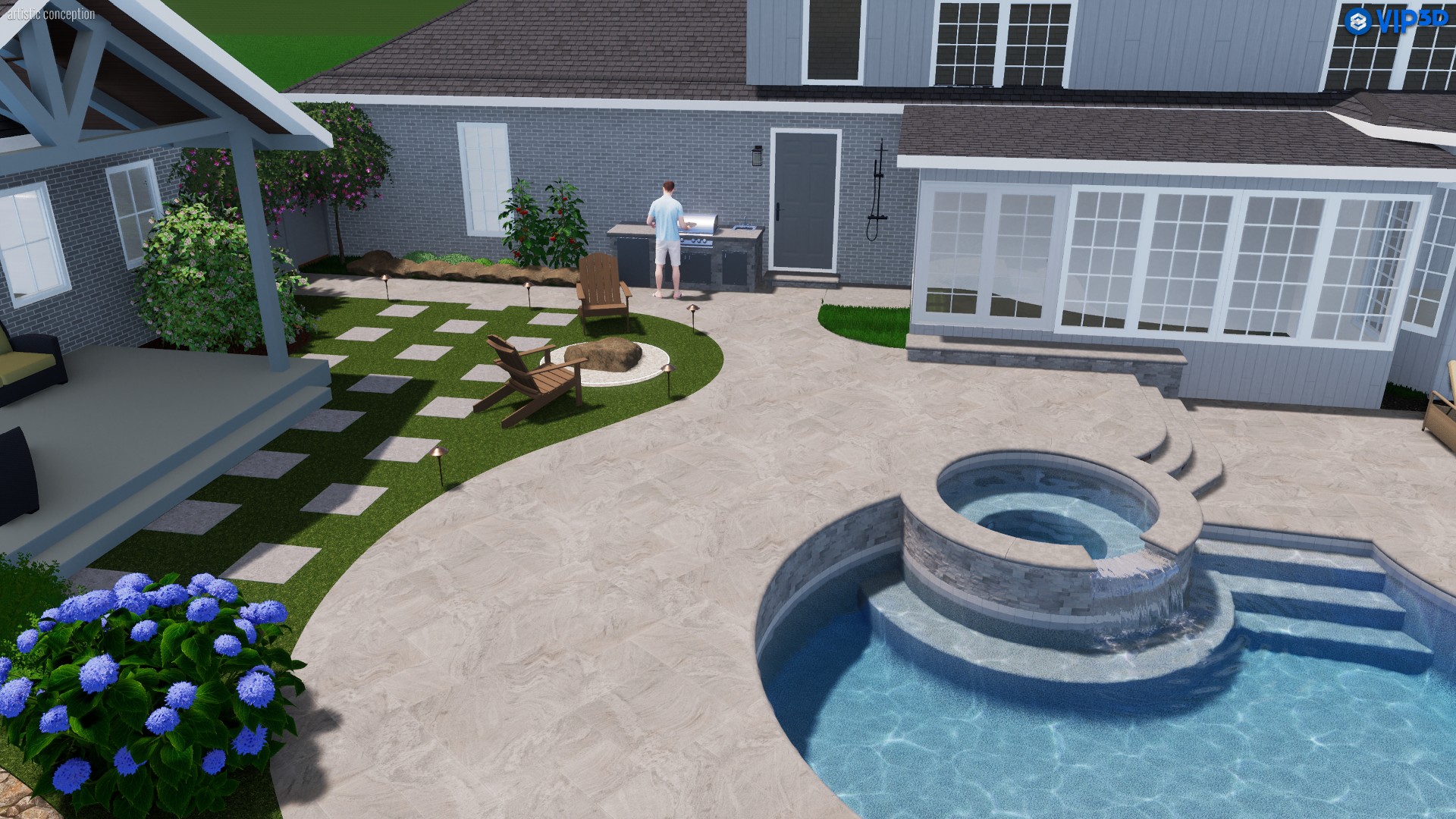
How much does it cost to build a custom pool in Georgia?
A custom inground pool in Metro Atlanta generally starts in the low-to-mid five figures for a straightforward design and climbs from there with size, depth, and features. Elements like raised spas, vanishing edges, extensive decking, outdoor kitchens, and premium finishes all move the number up. The most accurate way to know your cost is a design consultation, because pricing is driven by your specific yard, site conditions, and wish list rather than a one-size-fits-all figure.
How long does it take to build a pool?
From the day you sign, plan for roughly three to six months total: a few weeks for design, a few weeks for permitting and any HOA approval, and 8–16 weeks of construction. Weather, site conditions, custom features, and material lead times are the biggest variables. A builder who sequences trades well and communicates clearly keeps the timeline tight.
Do I need a permit to build a pool in Metro Atlanta?
Yes. Every inground pool requires permits covering the structure, electrical, plumbing, and safety barriers, and many neighborhoods also require HOA architectural approval. Requirements vary between Fulton, Cobb, Cherokee, and individual cities. A good builder handles the permitting and HOA submittals for you as part of the project.
What kind of pool lasts the longest in Georgia's clay soil?
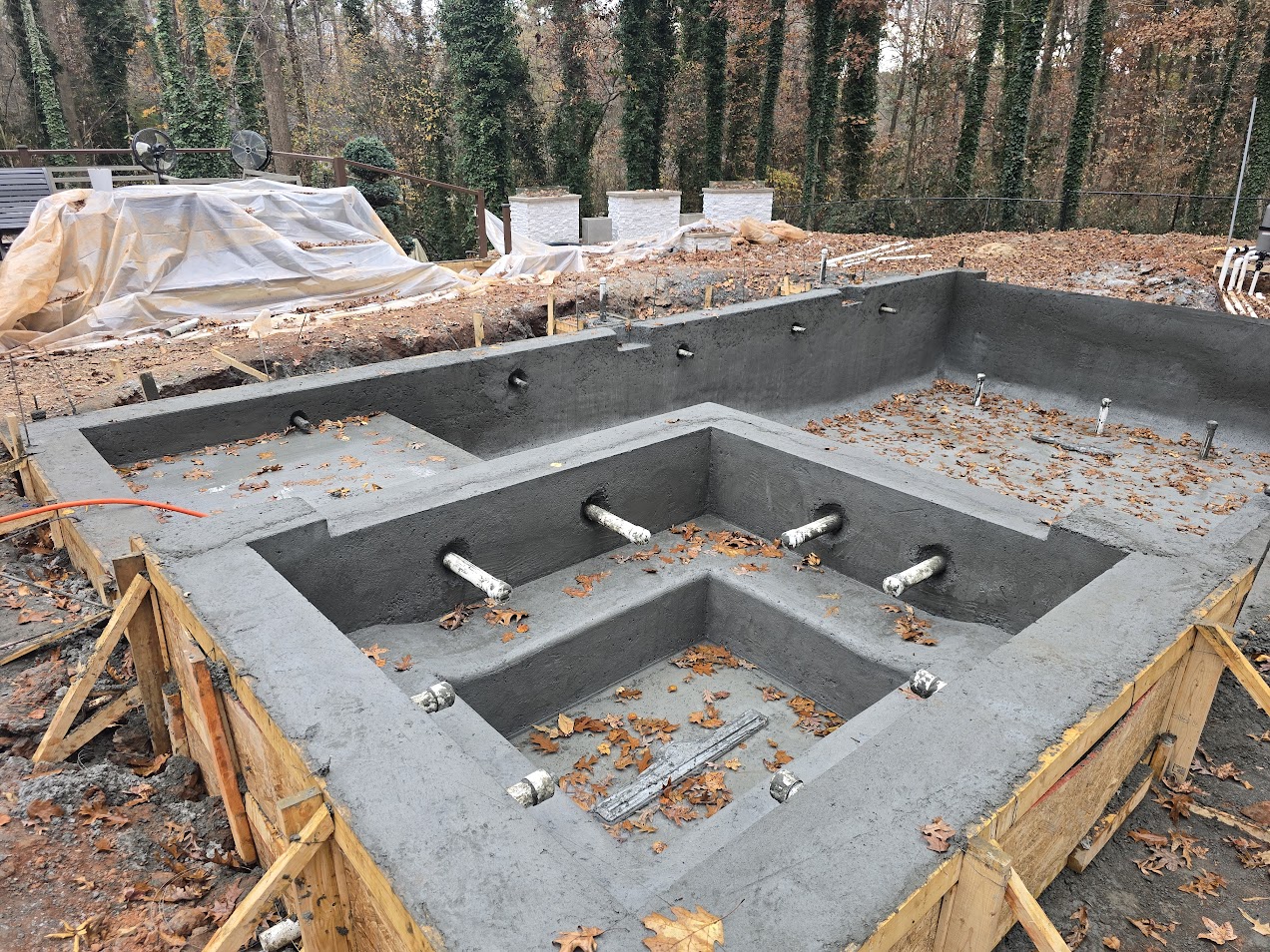
A properly engineered gunite (shotcrete) pool is the most durable option and holds up best in Georgia's expansive clay. The key is a hand-tied steel rebar cage and a well-cured concrete shell, which together resist the constant swell-and-shrink movement of our soil. Fiberglass and vinyl pools cost less upfront but don't match gunite's structural longevity or design flexibility.
Saltwater or chlorine — which should I choose?
Both are technically chlorine pools; the difference is how the chlorine is delivered. Saltwater systems generate it automatically for a softer water feel and less hands-on dosing, at a higher upfront cost. Traditional chlorine has a lower upfront cost and simpler equipment. Given Georgia's long swim season, many homeowners prefer the low-maintenance feel of saltwater — but it should be planned during design so the right corrosion-resistant materials are specified.
Does a pool add value to my home?
In the right Metro Atlanta neighborhood — especially areas where pools are expected — a quality custom pool can add roughly 5–8% to a home's value, and in some cases a home without one is at a disadvantage. The bigger return for most families is everyday enjoyment: years of staycations and entertaining in your own backyard. Build quality and design integration are what protect that value over time.
Can I build a pool on a sloped or wooded lot?
Yes. Sloped, wooded, and tight-access lots are common across Metro Atlanta, and they're very buildable with the right engineering. Retaining walls, thoughtful grading, and smart equipment placement turn challenging yards into standout backyards. It does require an experienced builder who plans for drainage and site conditions from the start.
What's the best time of year to build?
You can build year-round in Georgia, and summer is actually excellent — warm weather helps the shotcrete shell cure, there are fewer prolonged weather delays than winter, and long days keep the project moving. Starting in summer often means swimming the same season or being completely finished for the first warm day of spring.
How much maintenance does a pool require?
Routine maintenance means keeping the water balanced, running filtration, and skimming and brushing regularly. Saltwater systems reduce the hands-on chemical work, and modern automation can handle much of the rest. Seasonally, you'll want a proper closing before winter freezes and an opening in spring. Many homeowners opt for a maintenance service to keep everything effortless.
Do you handle everything, or do I need to hire multiple contractors?
At White Glove Construction, we manage the entire project end to end — design, 3D renderings, permitting and HOA approval, excavation, the structural shell, tile and coping, decking, water and fire features, and finish work. You get one accountable team from first sketch to first swim, rather than juggling separate trades yourself.
Still have questions?
Every yard and every family is different, so the best answers come from a conversation about your specific project. If there's a question we didn't cover here, we're happy to walk you through it.
Have a question about your pool project?
Ask Our Design Team