Georgia already has one of the longest swim seasons in the country. Add a heater, and a pool that's comfortable three or four months a year becomes comfortable eight or nine. For most homeowners, it's the single highest-impact upgrade per dollar spent on how much the pool actually gets used.
Here's what pool heaters cost in Georgia — both to install and to run — plus how the three main types compare and which one fits your backyard.
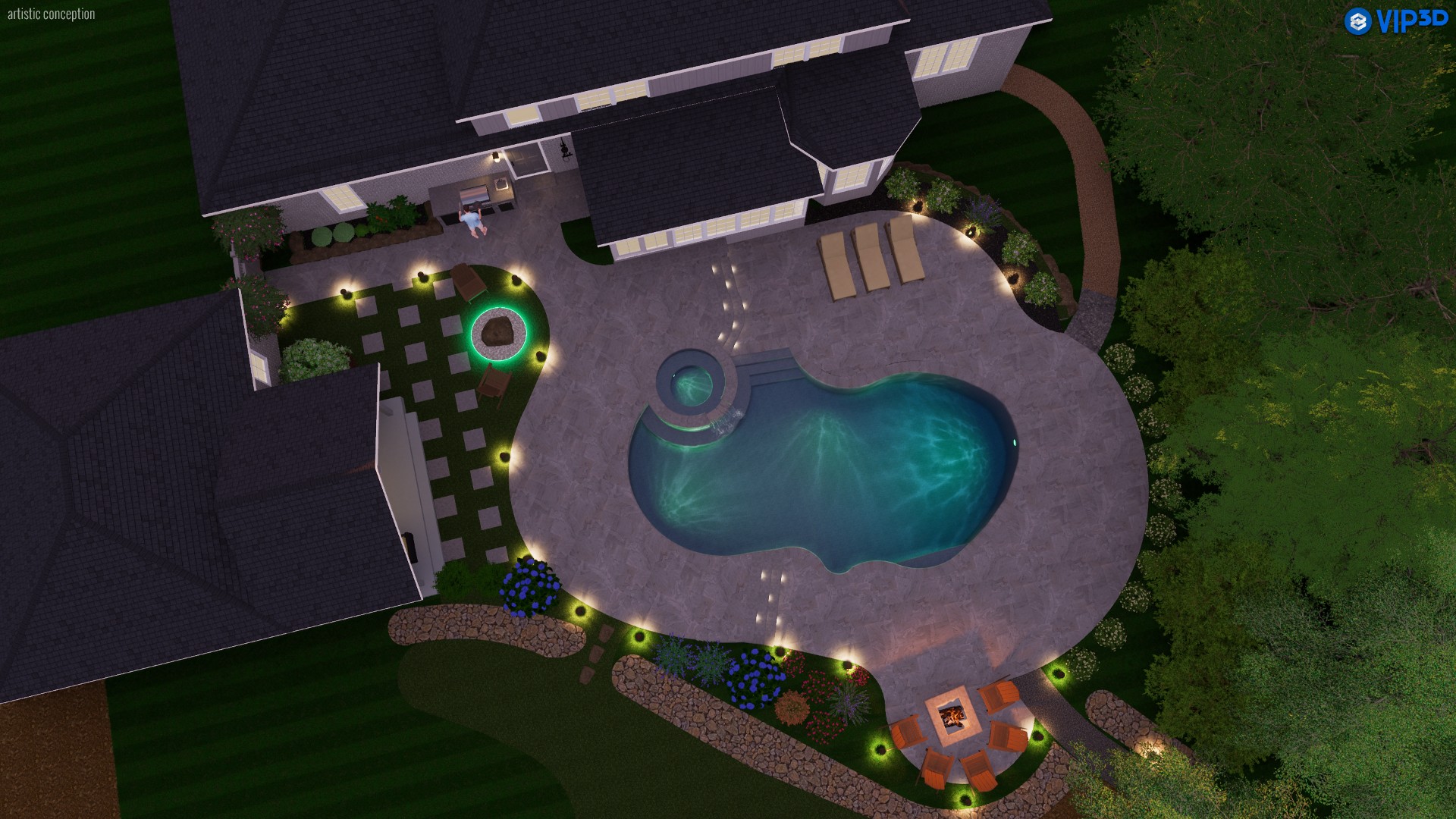
What Does a Pool Heater Cost to Install?
Installed costs in Metro Atlanta generally fall into these ranges:
- Natural gas or propane heater: $3,500–$7,000 installed.
- Electric heat pump: $5,000–$9,500 installed.
- Solar heating system: $8,000–$18,000+ depending on array size and roof suitability.
Your existing gas line capacity or electrical service is a real variable — a heater that requires running a new gas line or upgrading a panel costs more to install than the equipment alone suggests.
The Number That Matters More: Operating Cost
Installation is one-time; you'll pay to run the heater every season. In Georgia:
- Natural gas: roughly $200–$550 per month of active heating.
- Heat pump: roughly $75–$200 per month in mild shoulder-season weather.
- Solar: minimal operating cost beyond the circulation pump, but output depends entirely on sun.
This gap is why the cheapest heater to buy is often the most expensive to own.
Heat Pump vs. Gas: Which Is Right for Georgia?
Why heat pumps win for most Georgia homeowners
A heat pump doesn't generate heat — it moves ambient heat from the air into your water, which is why it's so efficient. It needs reasonably mild air (generally above the mid-50s) to work well. That describes Metro Atlanta for most of the extended season, so heat pumps deliver far lower operating costs across March–November. The trade-off: they heat gradually and work best maintaining a steady temperature rather than heating from cold.
When gas is the better answer
Gas heats fast and works in any weather. It's the right pick when you want on-demand heat — especially for a spa you'll fire up for an hour on a cold night — or if you only heat occasionally and would rather have a lower upfront cost. Many of our projects pair both: a heat pump maintaining the pool, gas for rapid spa heating.
Where solar fits
Solar has the lowest operating cost and the highest upfront cost, and it requires appropriate roof space and sun exposure. It extends the season well but can't guarantee a target temperature on demand, so it's often best paired with a small conventional heater.
The Cover Is Half the Equation
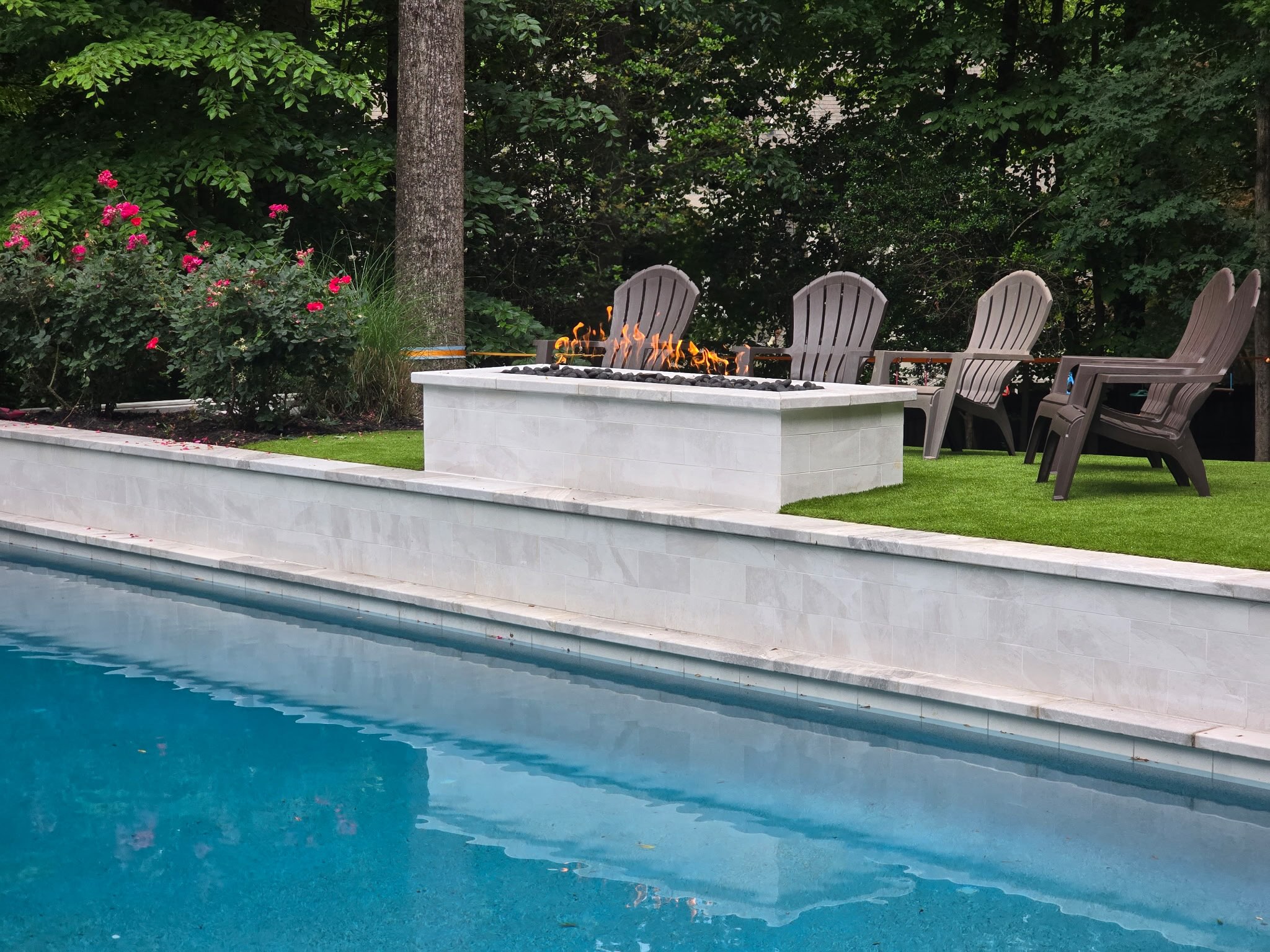
Most heat loss from a pool happens through evaporation at the surface. That makes a cover the most cost-effective heating accessory you can buy. Covering the pool overnight can cut heating costs dramatically and lets a smaller heater keep up comfortably. If you're budgeting for a heater, budget for a cover in the same breath.
What Temperature Should You Target?
Most swimmers are comfortable between 80 and 85 degrees, and 82 is a common family-pool setting. Spas typically run 100–104. Every extra degree costs energy, so the efficient approach is a moderate set point plus a cover to hold the heat you've already paid for.
Sizing and Longevity
An undersized heater runs constantly and never quite satisfies; an oversized one cycles inefficiently. Proper sizing accounts for pool surface area, your target temperature, wind exposure, and whether you use a cover. Expect roughly 5–10 years from a gas heater and 10–15+ years from a heat pump. Balanced water chemistry is critical either way — corrosive water destroys heat exchangers and is a leading cause of early failure. See our maintenance knowledge base.
Pair It With Automation
A heater is far more useful when you can control it from your phone — pre-heating the pool on your drive home, or scheduling the spa. Automation also prevents the most expensive heating mistake: leaving the heater running when nobody's swimming. Read about pool automation systems.
Want to swim from March through November?
We'll size the right heating solution for your pool, your budget, and how you actually plan to use it.