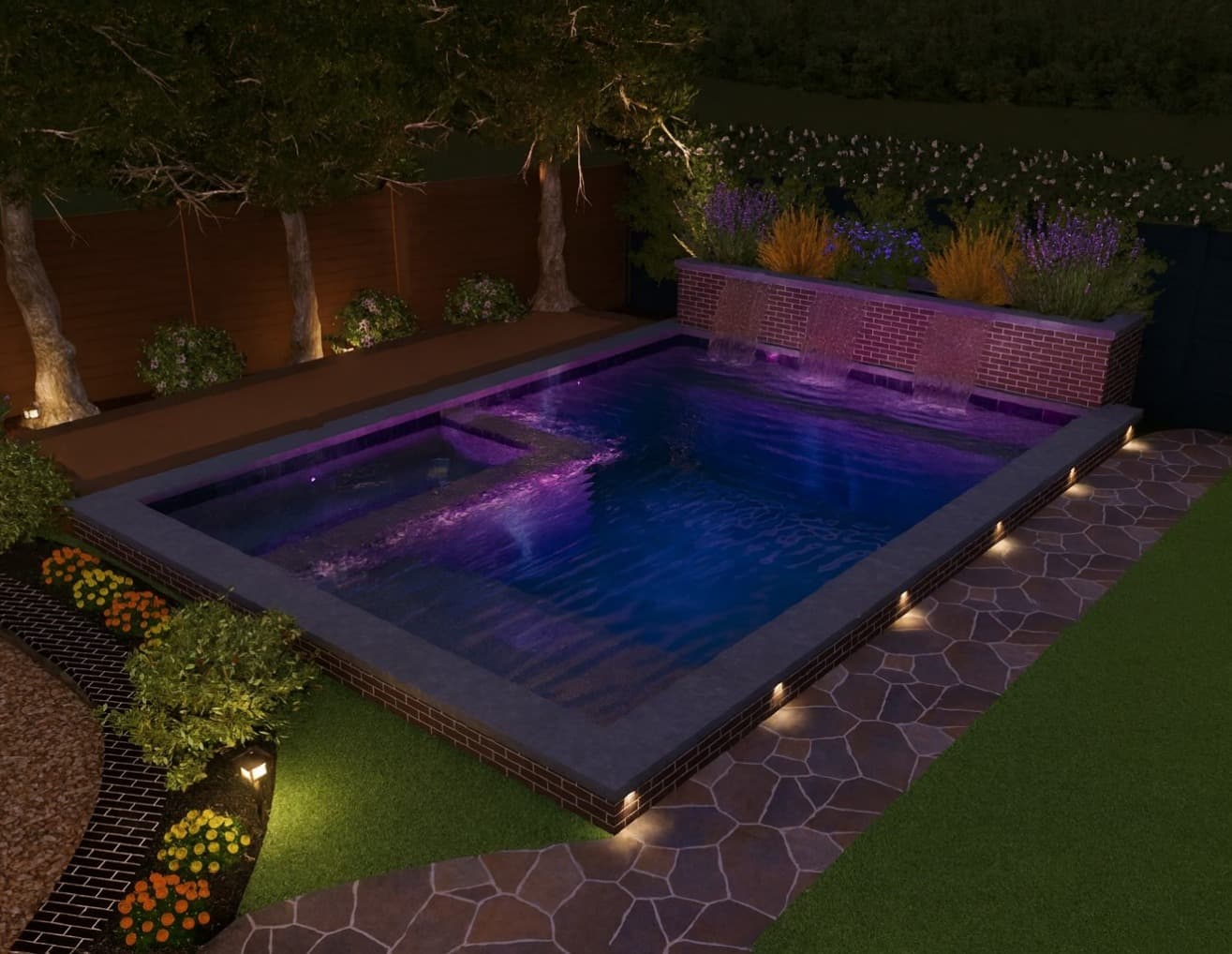
If you've started pricing an inground pool in Metro Atlanta, you've probably noticed the numbers are all over the map — and almost nobody wants to give you a straight answer. At White Glove Construction we believe an informed homeowner is our best client, so this is the transparent breakdown we wish every builder published: what a shotcrete pool actually costs in Georgia in 2026, what drives the price up or down, and how to budget for a structure engineered to last generations.
Shotcrete (often called gunite) is the sprayed-concrete method behind virtually every high-end custom pool in Atlanta. It's the most durable and most customizable way to build — and understanding its cost starts with understanding what you're really paying for.
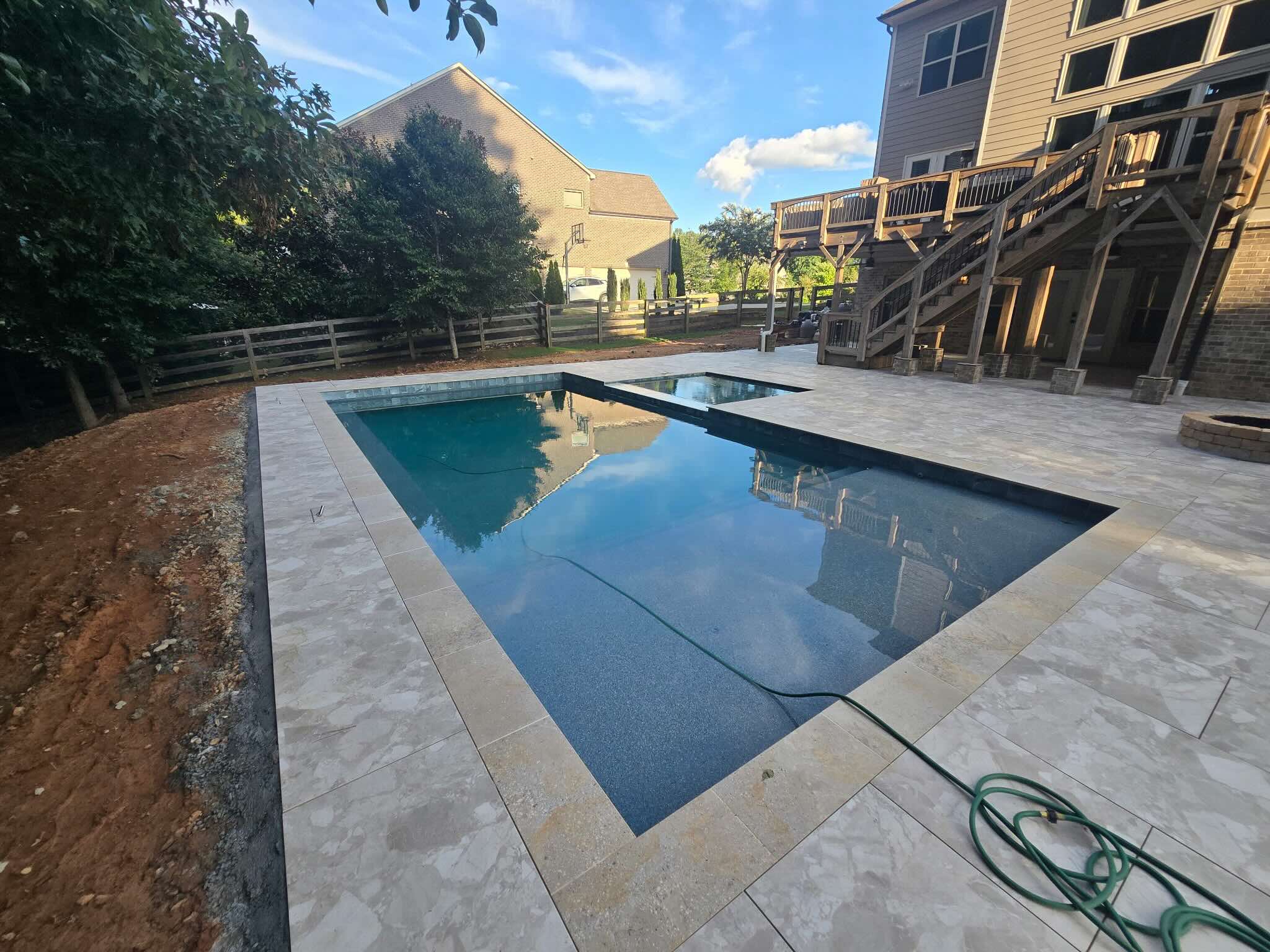
What Does a Shotcrete Pool Cost in Metro Atlanta?
As a working range for 2026, a custom shotcrete pool in Metro Atlanta generally falls into these tiers:
- Entry custom ($70,000–$110,000) — A well-built shotcrete shell with a clean geometric or freeform shape, standard decking, a quality plaster finish, and essential equipment.
- Mid-range custom ($110,000–$180,000) — Adds a raised spa, upgraded pebble interior, travertine or porcelain-paver decking, LED lighting, automation, and water features.
- High-end / resort-style ($180,000+) — Vanishing edges, extensive stonework, outdoor kitchens, pavilions, fire features, and premium finishes throughout.
These are planning ranges, not quotes. The only way to know your real number is a design consultation, because your yard, access, soil, and wish list drive the price far more than any square-foot rule of thumb.
The Biggest Factors That Move the Price
Two pools of the same size can differ by tens of thousands of dollars. Here's where the money actually goes:
1. Size, Depth & Shape
More surface area and depth means more excavation, more steel, more shotcrete, more interior finish, and more water to circulate. Deep ends and diving-capable depths add material and equipment cost. Complex freeform shapes and true geometric precision both take more skilled labor than a simple rectangle.
2. Site & Soil Conditions
This is the hidden variable that surprises homeowners most. Georgia's expansive red clay, sloped lots, rock, high groundwater, and tight access all affect cost. A sloped or wooded lot may need retaining walls and extra grading; limited access may require smaller equipment and more hand labor. Good site planning up front prevents expensive surprises later.
3. Interior Finish
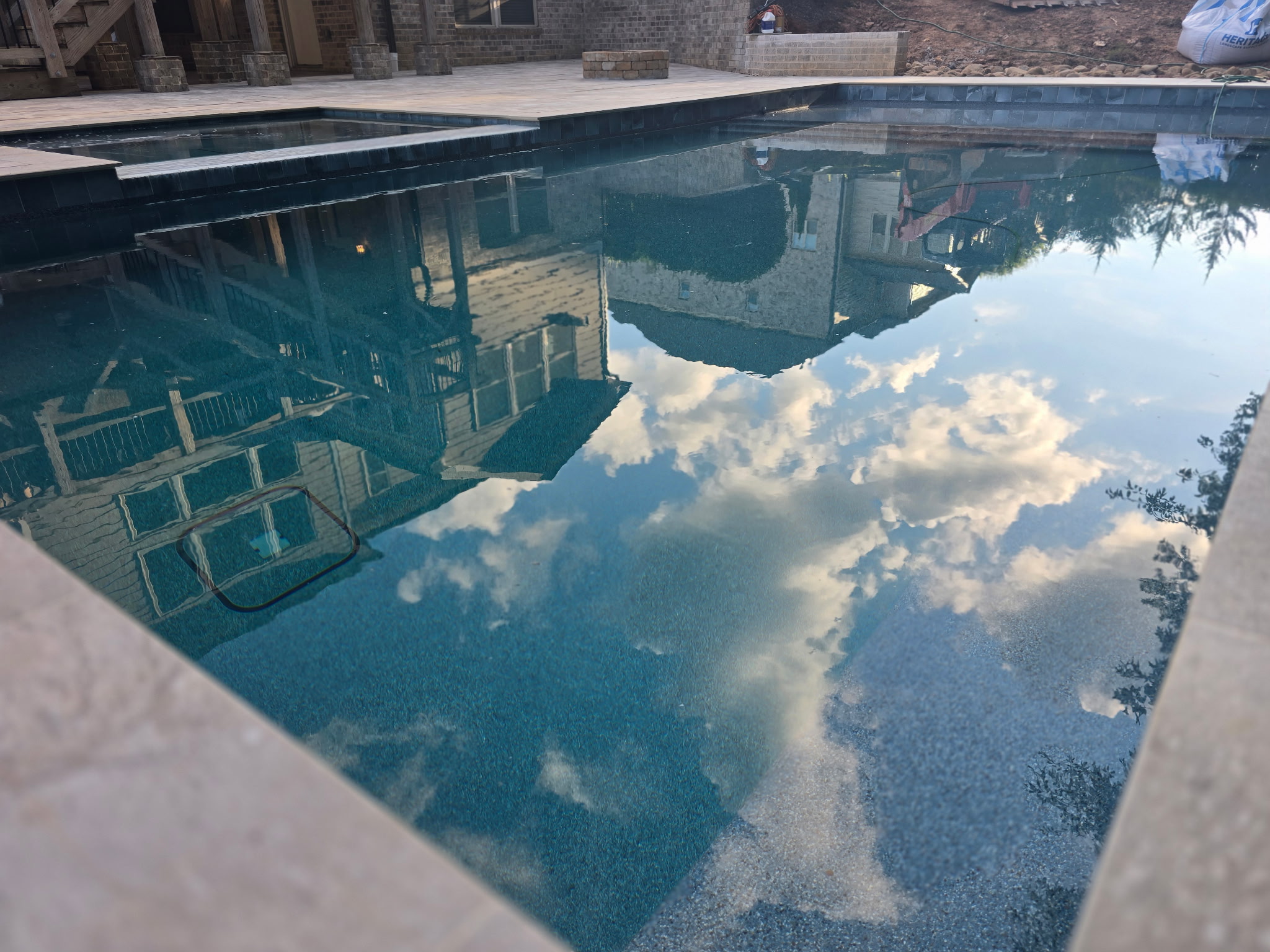
The finish over your shotcrete shell ranges from standard white plaster (most affordable) to quartz and premium pebble aggregates (more durable, richer color, higher cost). The dark pebble interiors so popular in Atlanta right now sit at the upper end — and they're worth it for the depth of color and longevity they deliver.
4. Decking & Hardscape
Decking is often underestimated in early budgets. Broom-finished concrete is the value option; travertine, porcelain pavers, and natural stone cost more but define the entire look of the space. The larger your deck and the more premium the material, the bigger this line item becomes.
5. Water, Fire & Spa Features
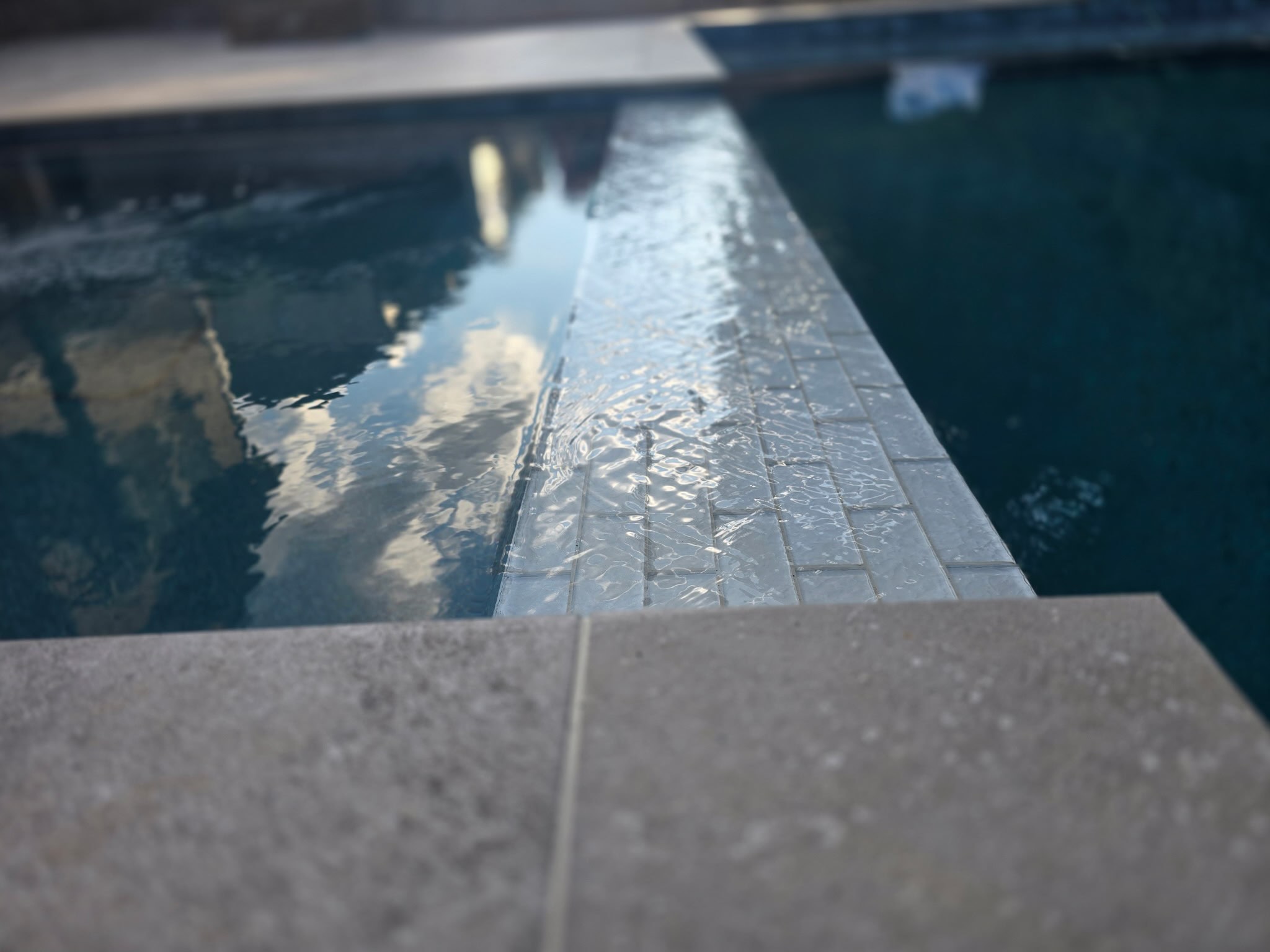
A raised spa with a tile spillway, sheer-descent waterfalls, bubblers, deck jets, and fire bowls each add cost — and each adds the "wow" that makes a backyard feel like a resort. These are the features that separate a pool from a destination.
6. Equipment & Automation
Variable-speed pumps, energy-efficient heaters, salt systems, and smart automation raise upfront cost but lower long-term operating expense and hands-on maintenance. In a climate with a long Georgia swim season, efficient equipment pays for itself.
Why Shotcrete Costs More Upfront — and Saves Over Time
Shotcrete typically costs more day-one than fiberglass or vinyl, and for good reason: it's a fully custom structure built and cured on site over a hand-tied steel cage. But the ranking flips over the life of the pool. Vinyl liners need replacing every 7–12 years, and fiberglass locks you into a factory shape. A properly built shotcrete shell is a permanent structure that lasts decades, with only the interior finish refreshed periodically. For a generational investment, it's the best long-term value — which is exactly why we build every pool this way. See our full comparison of the three pool types.
Budgeting Beyond the Build
A complete budget should account for a few things beyond the pool itself:
- Permitting & HOA approval — usually handled by your builder, but a real part of the timeline and cost.
- Landscaping & fencing — code-required safety barriers and the planting that finishes the space.
- Ongoing operation — chemicals, electricity, and seasonal open/close service.
Building these into your plan from the start prevents the "finished pool, unfinished yard" problem.
How to Get an Accurate Number for Your Yard
Every honest price starts with your specific property. A proper consultation looks at your lot, soil, access, and goals, then translates them into a real design and a real budget — often with 3D renderings so you can see the investment before you commit. If you're weighing a build, the smartest first step is a conversation, not a calculator. Explore our portfolio to see finished projects and the range of what's possible.
Want a real budget for your backyard?
Request A Design Consultation