If you are researching custom pools in Atlanta, you have probably encountered the terms shotcrete and gunite. Many homeowners are confused about the difference — and for good reason. Even some contractors use these terms interchangeably.
But understanding the distinction matters. It affects your pool's construction timeline, cost, and long-term durability. This guide explains everything you need to know about shotcrete vs gunite pools.
The Short Answer: They're Both Concrete Pools
Let's clear up the biggest misconception first: Shotcrete and gunite are both methods of applying concrete to build pool shells. They use the same materials and create the same end product — a reinforced concrete pool.
The difference lies in how the concrete is mixed and applied, not what the final pool is made of.
What Is Gunite?
Gunite is the original pneumatic concrete application method, developed in the early 1900s. Here's how it works:
The Gunite Process
- Dry cement and sand are mixed together
- The dry mix is loaded into a hopper and transported through a hose
- At the nozzle, water is added to the dry mix
- The wet concrete is sprayed onto the rebar framework
- Skilled nozzlemen control the water-cement ratio manually
Key Characteristic
With gunite, the water is added at the point of application. This is called a "dry-mix" process because the concrete travels through the hose in dry form.
What Is Shotcrete?
Shotcrete is a more modern method that evolved from gunite technology. Here's the difference:
The Shotcrete Process
- Cement, sand, and water are pre-mixed at a batch plant
- The wet concrete is loaded into a pump truck
- The ready-mix concrete is pumped through hoses
- The material is sprayed onto the rebar framework
- The water-cement ratio is controlled before pumping
Key Characteristic
With shotcrete, the concrete is already mixed with water before application. This is called a "wet-mix" process.
Shotcrete vs Gunite: Side-by-Side Comparison
Mixing Method
- Gunite: Water added at the nozzle (dry-mix)
- Shotcrete: Pre-mixed with water (wet-mix)
Quality Control
- Gunite: Depends heavily on nozzleman skill
- Shotcrete: Batch plant controls consistency
Application Speed
- Gunite: Slower application rate
- Shotcrete: Faster application rate
Rebound (Waste)
- Gunite: Higher rebound (15-30%)
- Shotcrete: Lower rebound (5-15%)
Strength When Properly Applied
- Gunite: 4,000+ PSI
- Shotcrete: 4,000+ PSI
Typical Cost
- Gunite: Slightly lower material cost
- Shotcrete: Often lower total cost due to speed
Which Method Do Most Atlanta Pool Builders Use?
In Metro Atlanta and across Georgia, shotcrete has become the dominant method for pool construction. Here's why:
1. Consistency
Shotcrete's pre-mixed delivery ensures consistent water-to-cement ratios throughout the pour. This reduces the risk of weak spots caused by improper mixing at the nozzle.
2. Speed
Shotcrete can be applied faster, which is important in Georgia where afternoon thunderstorms can interrupt construction. A faster pour means less weather risk.
3. Reduced Labor Intensity
While both methods require skilled crews, shotcrete is somewhat less dependent on individual nozzleman technique for achieving proper mix consistency.
4. Availability
Ready-mix concrete plants are abundant in Metro Atlanta, making shotcrete deliveries easy to schedule. Gunite requires specialized equipment that's less common today.
Does the Method Really Matter for Homeowners?
Here's the truth: The skill of your pool builder matters far more than whether they use shotcrete or gunite.
A poorly applied shotcrete pool will have problems. A perfectly applied gunite pool will last generations. The method is less important than:
Factors That Actually Determine Pool Quality
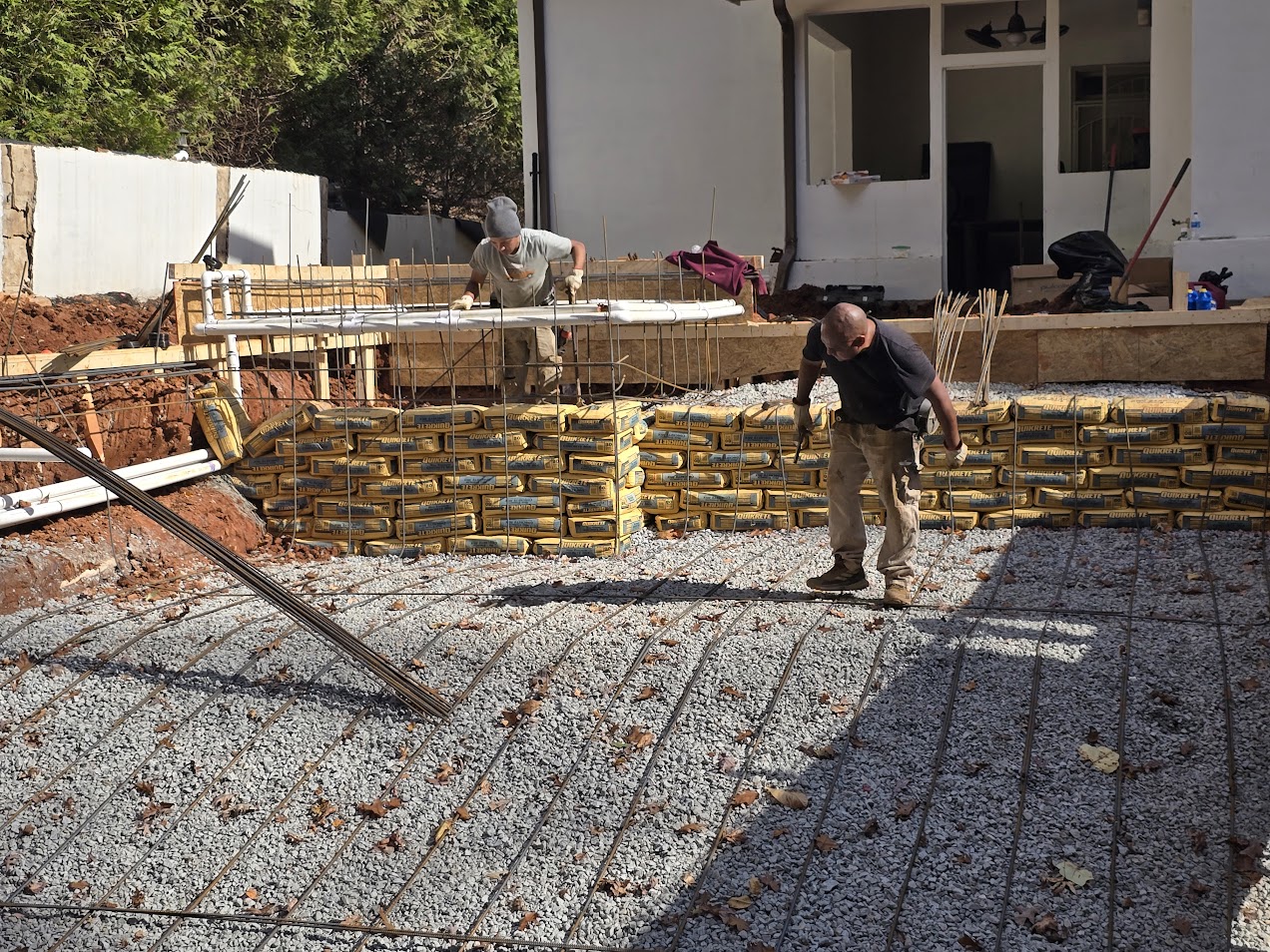
- Steel reinforcement: Proper rebar spacing and tie-downs
- Shell thickness: Meeting or exceeding minimum standards
- Compaction: Removing air pockets during application
- Curing time: Allowing adequate cure before finishing
- Plumbing quality: Proper pressure testing and installation
- Finishing work: Quality plaster, pebble, or tile application
A reputable pool builder in Atlanta will ensure all these factors are addressed regardless of the application method used.
Common Myths About Shotcrete vs Gunite
Myth #1: Gunite Is Stronger Than Shotcrete
False. Both methods can achieve the same compressive strength (typically 4,000+ PSI for pools). The final strength depends on the mix design and application quality, not the mixing method.
Myth #2: Gunite Pools Last Longer
False. Longevity depends on construction quality, proper curing, good drainage, and ongoing maintenance — not the application method.
Myth #3: Shotcrete Is a Cheaper, Inferior Product
False. Shotcrete is the preferred method for many commercial applications, including tunnels, dams, and bridges, where strength is critical.
Myth #4: Only Gunite Can Achieve Complex Shapes
False. Both methods can be sculpted to create freeform pools, grottos, vanishing edges, and other complex designs.
Myth #5: You Should Insist on One Method
False. Trust your builder's expertise. They'll choose the method that works best for your project, their equipment, and their crew's experience.
Questions to Ask Your Pool Builder
Instead of asking "Do you use shotcrete or gunite?", ask these more important questions:
About Construction Quality
- What is your standard shell thickness?
- What rebar spacing do you use?
- How long do you allow the shell to cure before plastering?
- How do you test plumbing before the pour?
About Their Process
- How do you handle weather delays during the pour?
- What PSI do you target for the concrete mix?
- How do you ensure proper compaction?
- What's your process for quality control?
About Their Experience
- How many pools have you built using your method?
- Can I see examples of pools you've completed?
- What's your warranty on the shell?
- How do you handle issues if they arise?
The Real Differences That Matter in Pool Construction
When comparing pool builders in Georgia, focus on these factors instead of the shotcrete vs gunite debate:
Design Capability
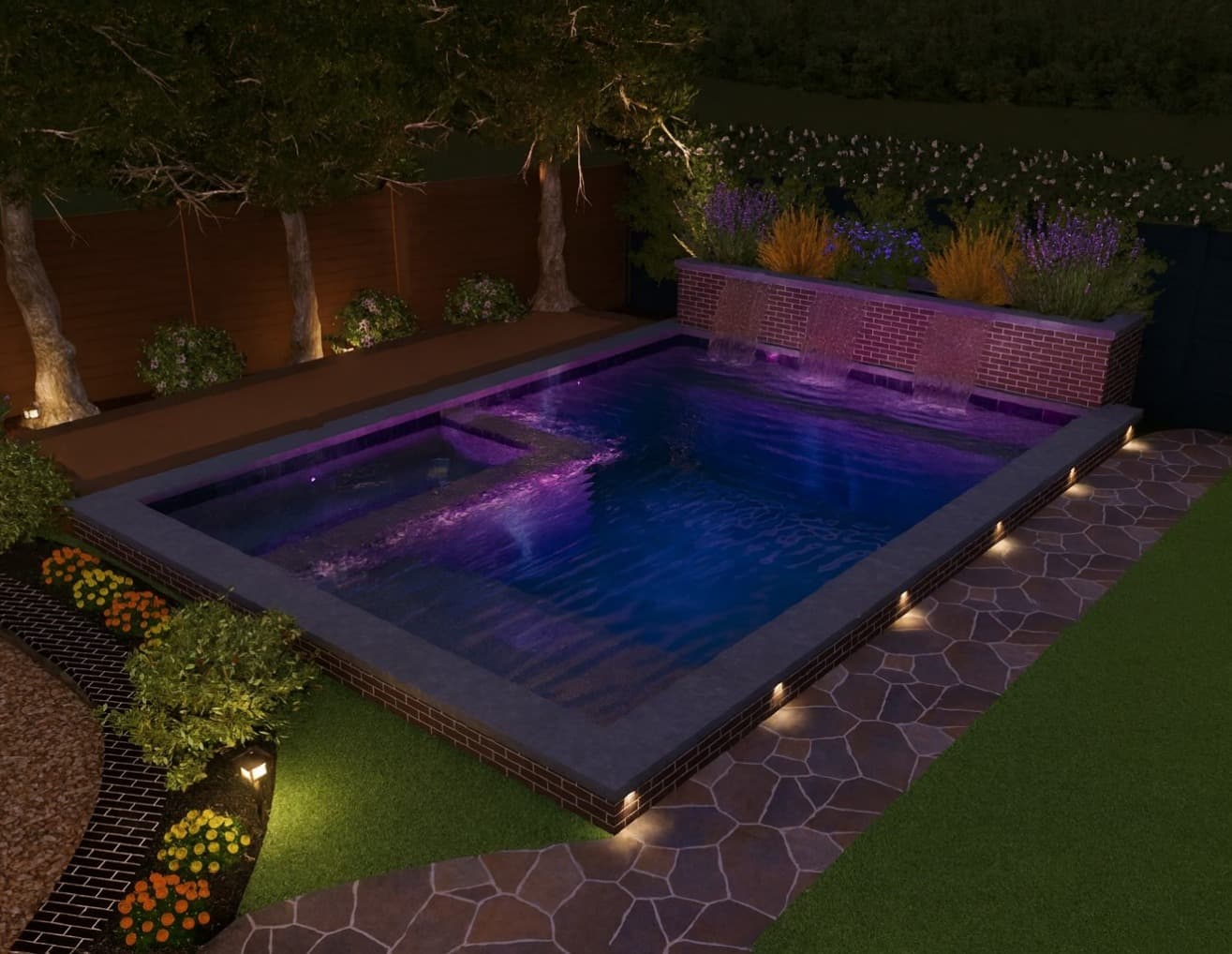
Can the builder create the pool you envision? Do they offer 3D renderings? Have they built similar projects?
Build Quality
What standards do they follow? Are they licensed and insured? What do their reviews say about craftsmanship?
Communication
Do they explain the process clearly? Are they responsive to questions? Do they provide detailed timelines?
Warranty and Support
What's covered and for how long? How do they handle warranty claims? Will they be around in 10 years?
Total Value
Are they comparing apples to apples in quotes? What's included? What might be extra?
White Glove Construction: Quality Concrete Pool Construction
At White Glove Construction, we use shotcrete for our concrete pools because it allows us to deliver consistent quality efficiently. But more importantly, we focus on the factors that actually determine pool longevity:
- Engineered shell thickness that exceeds minimums
- Proper steel reinforcement designed for Georgia soil conditions
- Comprehensive pressure testing of all plumbing
- Adequate cure times before finishing applications
- Quality materials from trusted suppliers
As a trusted pool builder in Atlanta, Marietta, Alpharetta, Canton, and throughout Metro Atlanta, we are happy to explain our construction methods and show you examples of our completed work.
Bottom Line: Focus on the Builder, Not the Method
The shotcrete vs gunite debate is largely a distraction from what really matters: finding a skilled, reputable pool builder who will construct your pool correctly regardless of which method they use.
Both shotcrete and gunite can produce beautiful, durable pools that last for decades. The key is choosing a builder who understands proper construction techniques and takes pride in their work.
Ready to Build Your Dream Pool?
Schedule a free design consultation with White Glove Construction. We will walk you through our construction process and answer all your questions about how we build pools that last.
Schedule Your Consultation