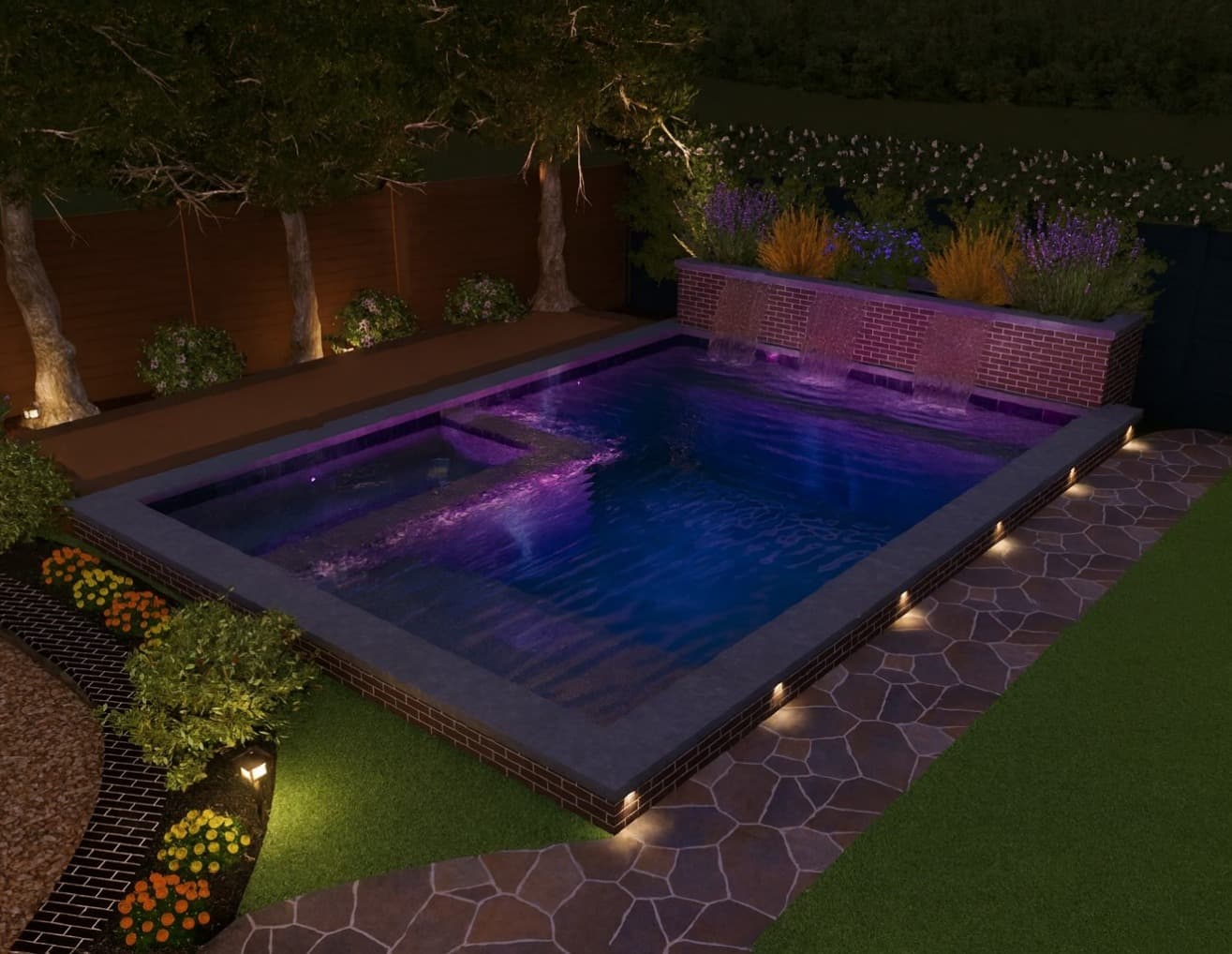
You walked outside, and the pool that was crystal clear a few days ago is now a shade of green. It's one of the most common — and most stressful — moments in pool ownership, and in Georgia's summer heat it can happen literally overnight. The good news: a green pool is almost always fixable at home, and understanding why it happened is the key to making sure it doesn't come back.
This guide explains exactly why pools turn green, walks through a step-by-step fix, and shows you how to keep your water clear all season.
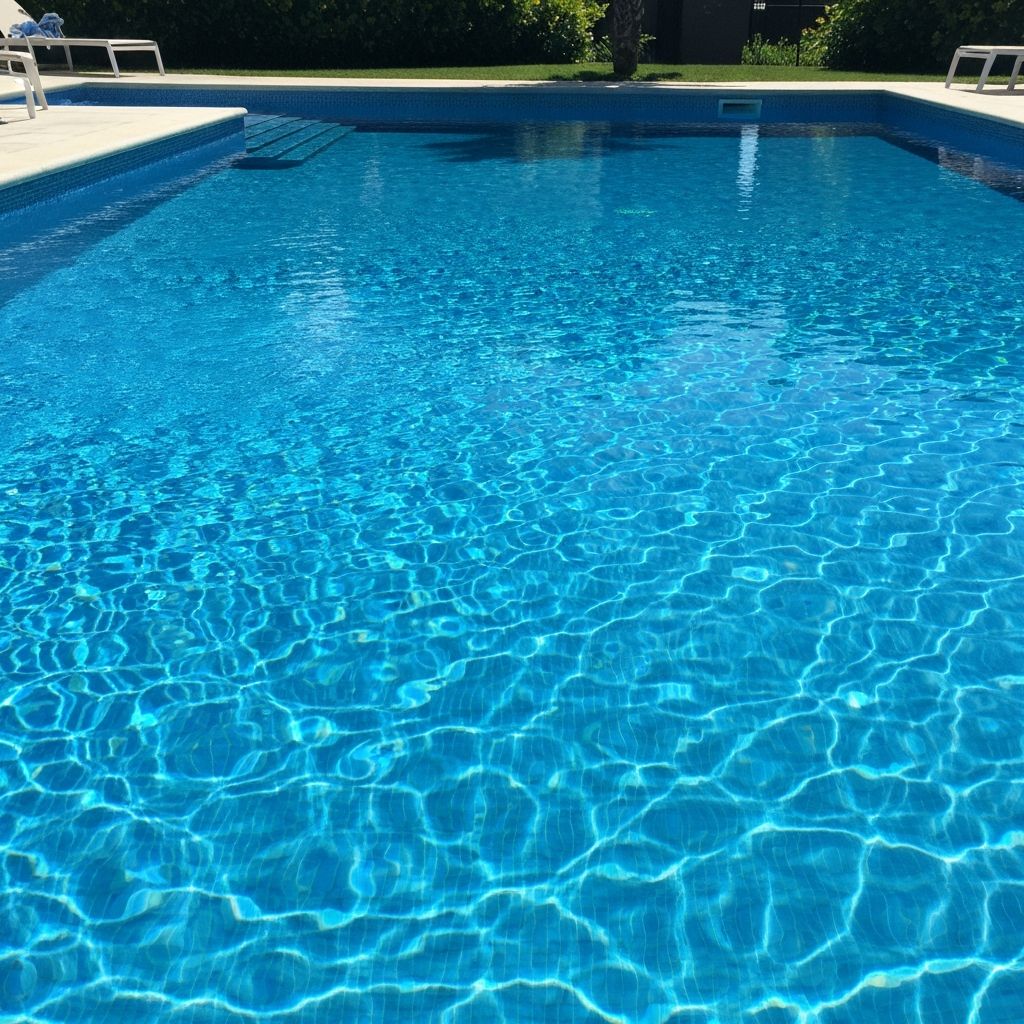
Why Is My Pool Green? The Real Cause
In nearly every case, green water means one thing: algae. Algae spores are always present in a pool — blown in by wind, rain, and swimmers. Your chlorine's job is to kill them faster than they can multiply. When sanitizer drops too low, that balance tips, and algae bloom explosively.
The question isn't really "why is it green" — it's "why did my chlorine run out?" Usually it's one of these:
- Low chlorine — the direct cause, whether from under-dosing or a stalled salt system.
- High pH — even with chlorine present, high pH makes it far less effective at killing algae.
- A pump that stopped or runs too little — stagnant water is an algae breeding ground.
- Hot, sunny weather — heat accelerates algae growth and sun burns off unprotected chlorine.
- Heavy rain — dilutes chlorine and washes in organic contaminants (a frequent Georgia culprit).
- Low cyanuric acid (stabilizer) — without it, the sun destroys your chlorine within hours.
- A big pool party — a heavy bather load consumes sanitizer fast.
One important exception: if the water is clear but tinted green rather than cloudy, the cause may be dissolved metals (usually copper) rather than algae — a different fix involving a metal sequestrant, not shock.
Why Georgia Pools Turn Green So Fast
Georgia's climate is practically designed to grow algae: long, hot, humid summers, intense sun, sudden thunderstorms, and heavy spring pollen that dumps organic load into the water. A pool here can go from clear to green in 24 hours when chlorine gets consumed faster than it's replenished. This is why consistent maintenance matters more in our climate than in cooler ones. See our full Georgia maintenance knowledge base.
How to Fix a Green Pool: Step by Step
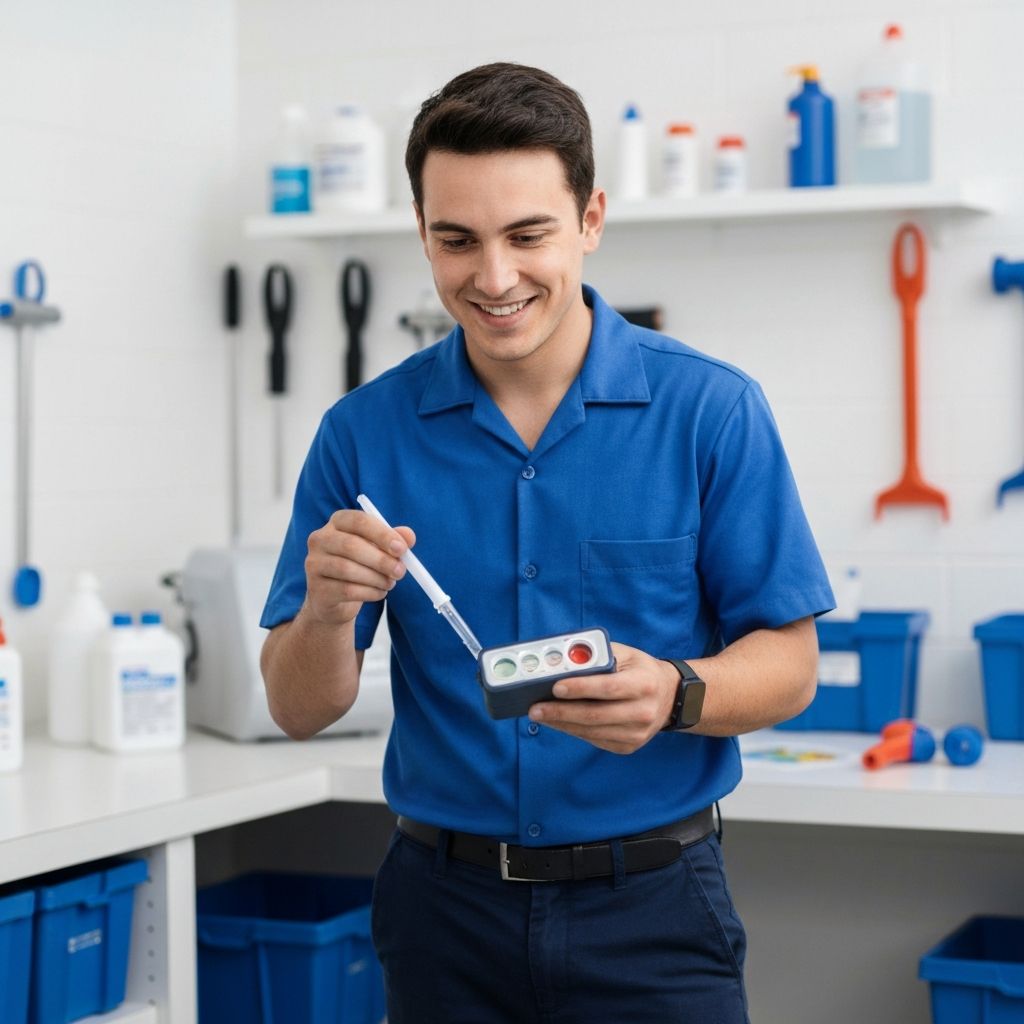
Step 1: Test and balance the water
Start by testing pH, alkalinity, and chlorine. Bring pH into the 7.2–7.6 range before shocking — if pH is high, your shock treatment will be far less effective. Adjust alkalinity as needed to hold pH steady.
Step 2: Brush the whole pool
Brush the walls, floor, steps, and corners vigorously. Algae clings to surfaces, and breaking it loose exposes it to chlorine and lets the filter capture it. Don't skip this — chemicals alone won't clear an established bloom.
Step 3: Shock the pool �� heavily
A green pool needs a much bigger chlorine dose than routine shocking, often two to four times the normal amount depending on severity. Follow your shock product's label for your pool's volume, and add it in the evening so the sun doesn't burn it off before it works. For a badly green pool, plan to repeat the shock on consecutive nights.
Step 4: Run the filter continuously
Run the pump 24 to 48 hours straight. Circulation and filtration are what physically remove the dead algae. This is the single biggest factor in how fast the pool clears — a pool that only runs a few hours a day will drag the process out for a week or more.
Step 5: Add algaecide and vacuum
Once the water turns from green to cloudy white or blue, add algaecide to mop up the survivors. As dead algae settles, vacuum it out — to waste if your system allows, since much of it is too fine for the filter. Clean or backwash the filter frequently throughout; it will clog fast.
Step 6: Rebalance and retest
When the water clears, retest everything and bring chlorine, pH, alkalinity, and stabilizer back into normal range before anyone swims.
How Long Will It Take?
- Light green: 1–2 days
- Moderate green: 2–3 days
- Deep green / swampy: 4–7 days with repeated shocking
If a severely neglected pool won't clear after several days of correct treatment, a partial or full drain and acid wash may be more cost-effective than endless chemicals — a good time to call a professional.
Is It Safe to Swim?
No — stay out of a green pool. The algae itself usually isn't the hazard, but green water tells you sanitizer is too low to control bacteria and pathogens, and the loss of visibility is a genuine drowning risk. Wait until the water is clear, balanced, and sanitizer is back in the safe range.
How to Keep Your Pool From Turning Green Again
Prevention is far easier than recovery. The fundamentals:
- Hold steady chlorine and pH — test at least twice a week in summer.
- Run the pump enough to turn over all the water daily — often 8–12 hours in Georgia summer.
- Keep stabilizer (cyanuric acid) in range so the sun doesn't destroy your chlorine.
- Brush and skim regularly to deny algae a foothold.
- Shock after storms and heavy use, before a bloom can start.
Much of this becomes automatic with the right equipment. A variable-speed pump makes longer daily circulation affordable, and automation with a salt system keeps sanitizer steady without daily hands-on dosing — the two upgrades that prevent green pools most reliably. See how pool automation pays off.
The Bottom Line
A green pool is almost always algae winning a temporary battle against your chlorine — and it's almost always fixable in a few days with test, brush, shock, and continuous filtration. In Georgia's climate, the lasting fix is consistent sanitation and enough circulation to stay ahead of the heat. Build the pool right with efficient equipment, keep the water balanced, and green mornings become a rare exception instead of a summer ritual. Explore our complete maintenance knowledge base for the full routine.
Tired of fighting your pool every summer?
The right equipment and finish choices make a pool dramatically easier to keep clear. We'll design yours for low-maintenance ownership from day one.