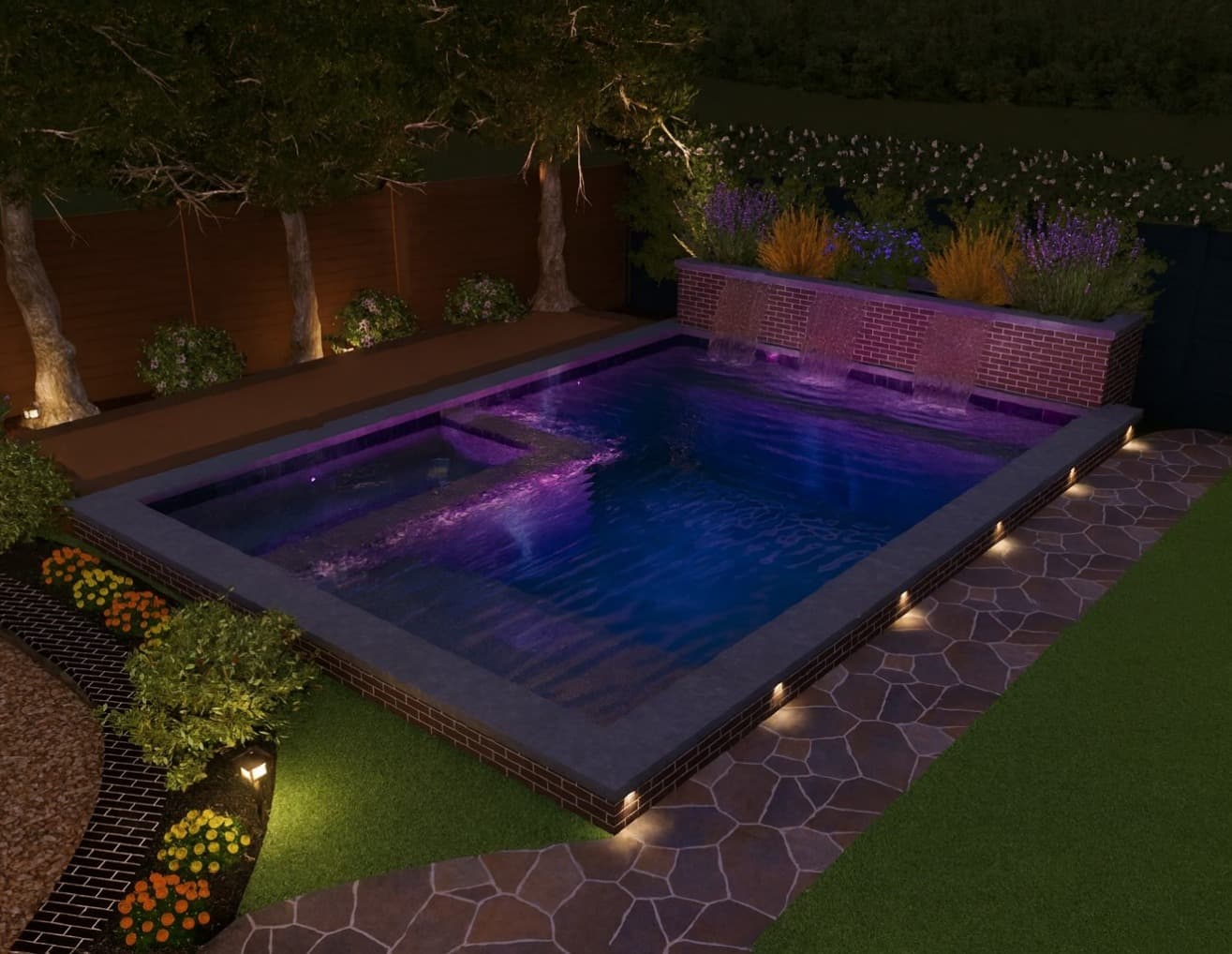
Not every pool project starts with an empty yard. Many Metro Atlanta homeowners already have a pool — one that was beautiful twenty years ago but now has rough plaster, dated tile, stained surfaces, and equipment that costs a fortune to run. The good news: if the shell is sound, you almost never need a new pool. You need a renovation.
This guide covers what pool resurfacing and renovation costs in Georgia in 2026, how to tell when it's time, and how to decide between a simple resurface and a full transformation.
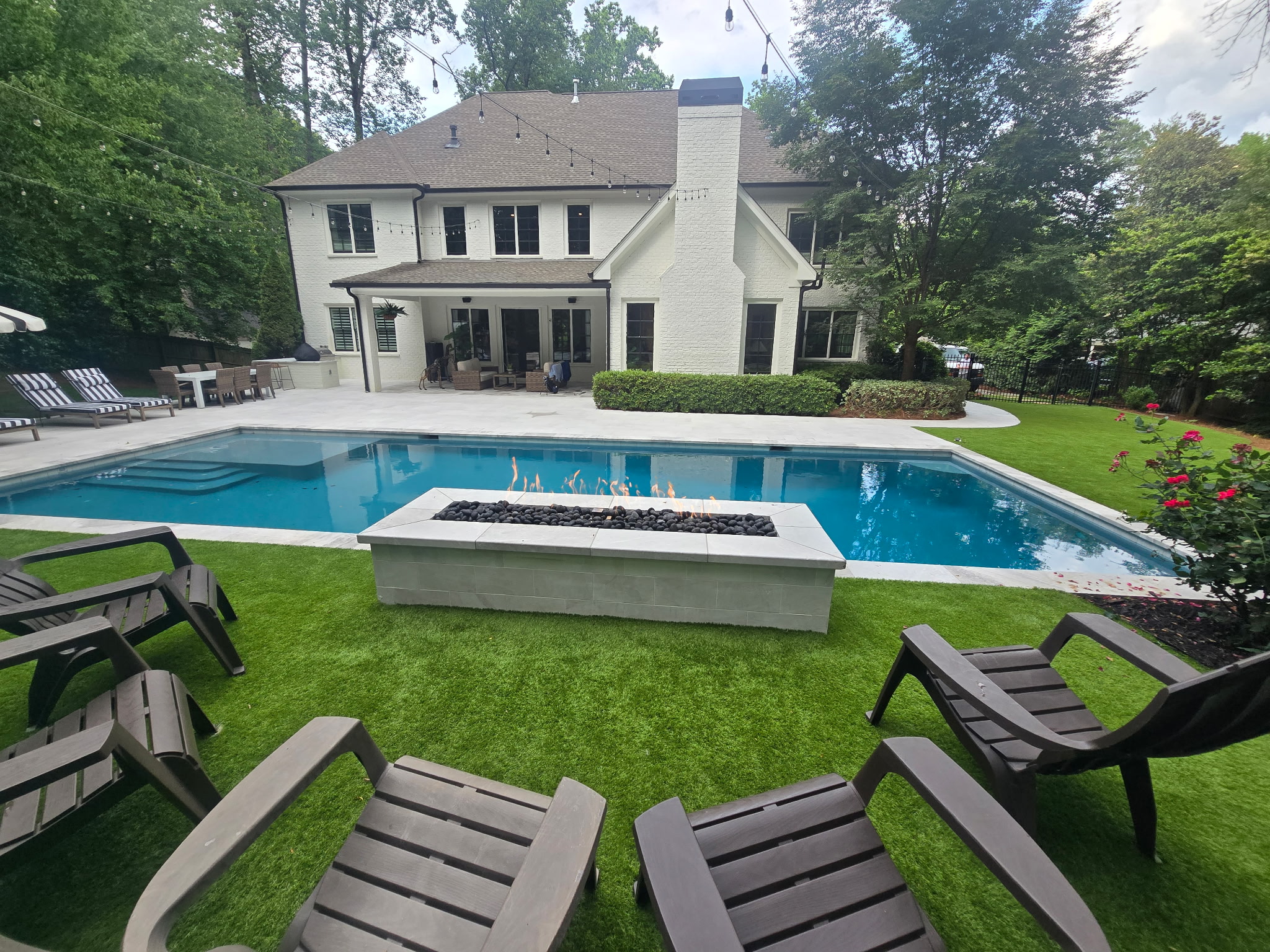
How Much Does Pool Resurfacing Cost in Georgia?
Resurfacing means removing the worn interior surface and applying a new one. For an average residential pool in Metro Atlanta, plan on:
- Standard plaster: $6,000–$12,000 — the most affordable option, shortest lifespan.
- Quartz-aggregate finish: $9,000–$16,000 — better durability, richer color, strong mid-tier value.
- Premium pebble finish: $13,000–$25,000+ — longest-lasting surface and the deepest water color.
Pool size, the condition of the existing surface, and whether you replace tile and coping at the same time all move these numbers. Our finishes guide breaks down each option in detail.
Full Renovation Costs: Beyond the Surface
Most homeowners who resurface also address everything else that's aged. Typical add-on ranges in Metro Atlanta:
- New waterline tile: $2,500–$8,000 depending on material and linear footage.
- New coping: $3,000–$10,000 — travertine and porcelain pavers are the popular choices.
- Decking replacement: $8,000–$35,000+ based on square footage and material.
- Equipment modernization: $3,500–$12,000 for a variable-speed pump, salt system, heater, and automation.
- LED lighting: $700–$2,500 per light.
- Adding a spa or tanning ledge: $12,000–$40,000+ as a structural addition.
A comprehensive renovation that makes a twenty-year-old pool look brand new commonly lands in the $25,000–$75,000 range — still well below the cost of building new.
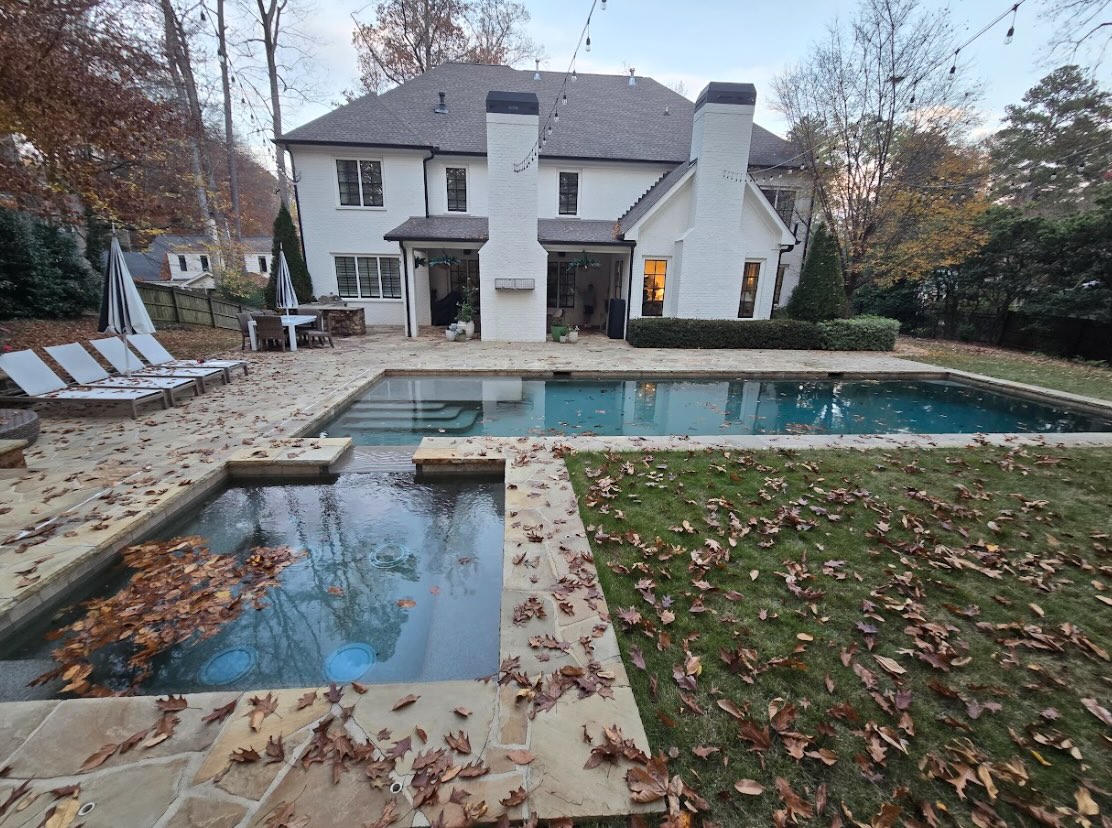
How Do I Know It's Time to Resurface?
Pools give clear warnings before they fail. Look for:
- Rough, sandpaper-like texture that scrapes feet and swimsuits — the most common first complaint.
- Staining or discoloration that won't brush or acid-wash out.
- Flaking, spalling, or delamination where the finish is separating from the shell.
- Exposed gunite patches — the finish has worn completely through.
- Widening crazing beyond normal fine hairline patterns.
- Rising chemical use or unexplained water loss, which can signal a porous surface or a leak.
A rough surface isn't only cosmetic. A porous, degraded finish holds algae, drives chemical consumption up, and eventually exposes the shell itself.
How Long Does a Finish Last?
Lifespan depends on the finish and, critically, on your water chemistry:
- Plaster: 7–12 years
- Quartz: 10–15 years
- Pebble: 15–25+ years
Balanced water is the single biggest variable. Aggressive or neglected chemistry etches and stains any finish prematurely — one more reason consistent maintenance pays for itself. See our pool maintenance knowledge base.
Resurface or Replace? How to Decide
Replacement is rarely the answer. Because gunite and shotcrete shells are structural concrete, they routinely outlast several interior finishes. Resurfacing costs $6,000–$25,000; a new custom pool in Metro Atlanta starts around $70,000. Compare against new-build pricing here.
Full replacement only makes sense when the structure has genuinely failed — major structural cracking, significant shifting, or a shell that can no longer hold water. Otherwise, renovation delivers a new-pool experience at a fraction of the cost.
What About Adding Features?
One of the best-kept secrets of concrete pools: they can be modified. Because the shell is structural, it can be cut and extended to add a raised spa, a tanning ledge, new steps, or a water feature. The ideal time is during resurfacing — the pool is already drained, and the new finish ties old and new sections together seamlessly. Explore tanning ledge options.
What to Expect During the Project
A typical resurfacing runs one to two weeks: drain, chip out the old surface, prep and repair the shell, apply the new finish, then refill and carefully start up water chemistry. Adding tile, coping, decking, or equipment extends it to three or four weeks. Because the pool must stay drained, weather influences scheduling — which is why fall and winter are popular renovation windows in Georgia.
Have an aging pool that deserves better?
We'll assess your existing shell, finish, and equipment and show you exactly what a renovation could look like.